The coffee bean
Coffee beans are the seeds of coffee cherries. After harvesting, processing, drying and roasting, they become the beans we brew with.
- Arabica · Coffea arabica
- Robusta · Coffea canephora
- Buy fresh every 1–2 weeks
learn · practice · brew
A hands-on course at our Happy Café bar. Pull your first shot, steam silky milk, pour latte art and learn to serve with a smile.
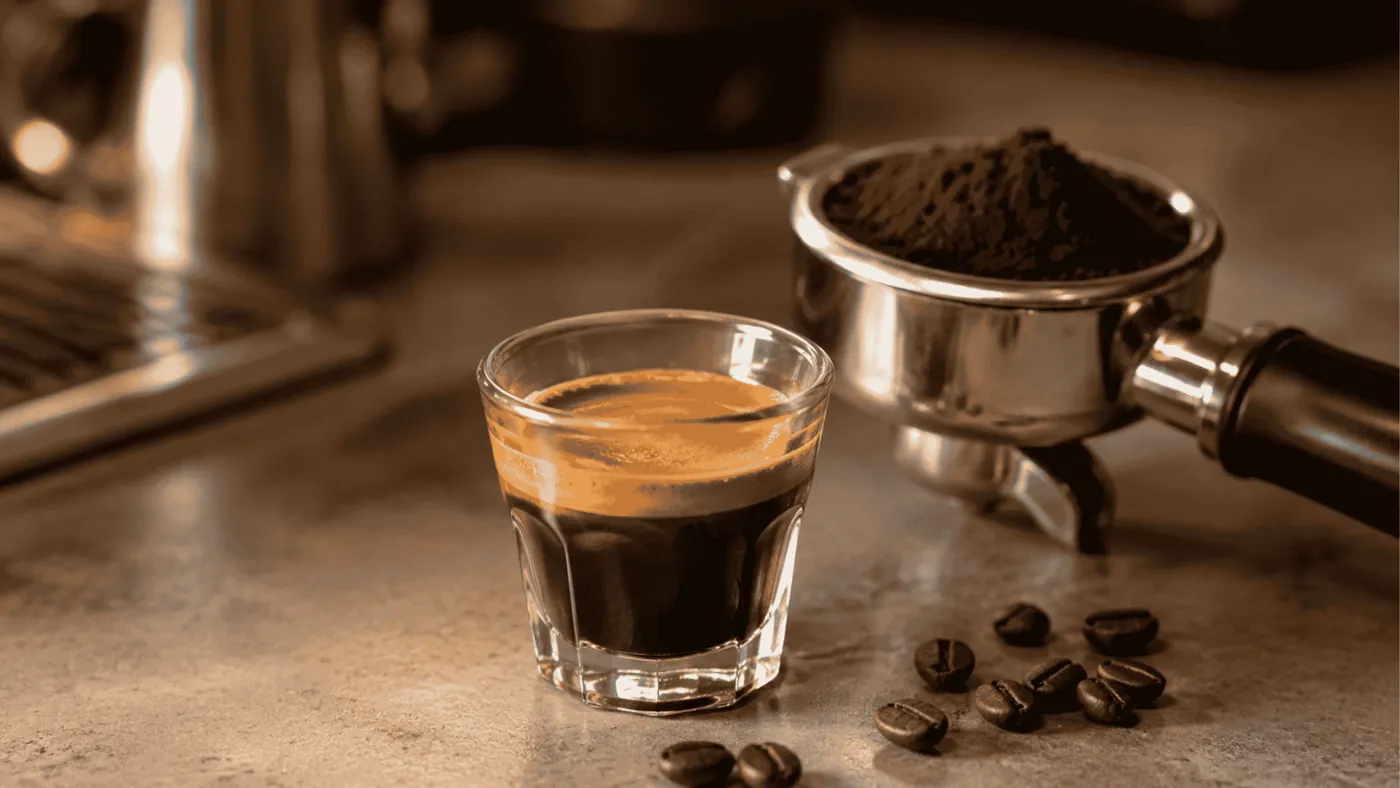
Dose, extraction time and crema. The base for cappuccino, latte, flat white and mocha.
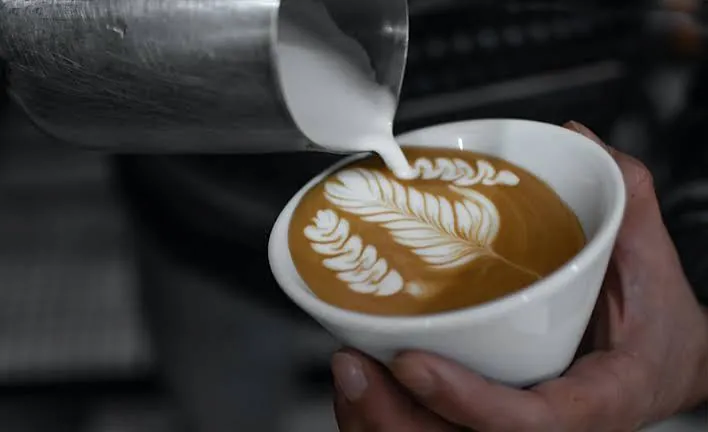
Texture milk to 60–65 °C for dense, silky microfoam with no large bubbles.

Pour hearts and rosettas once your microfoam is right.
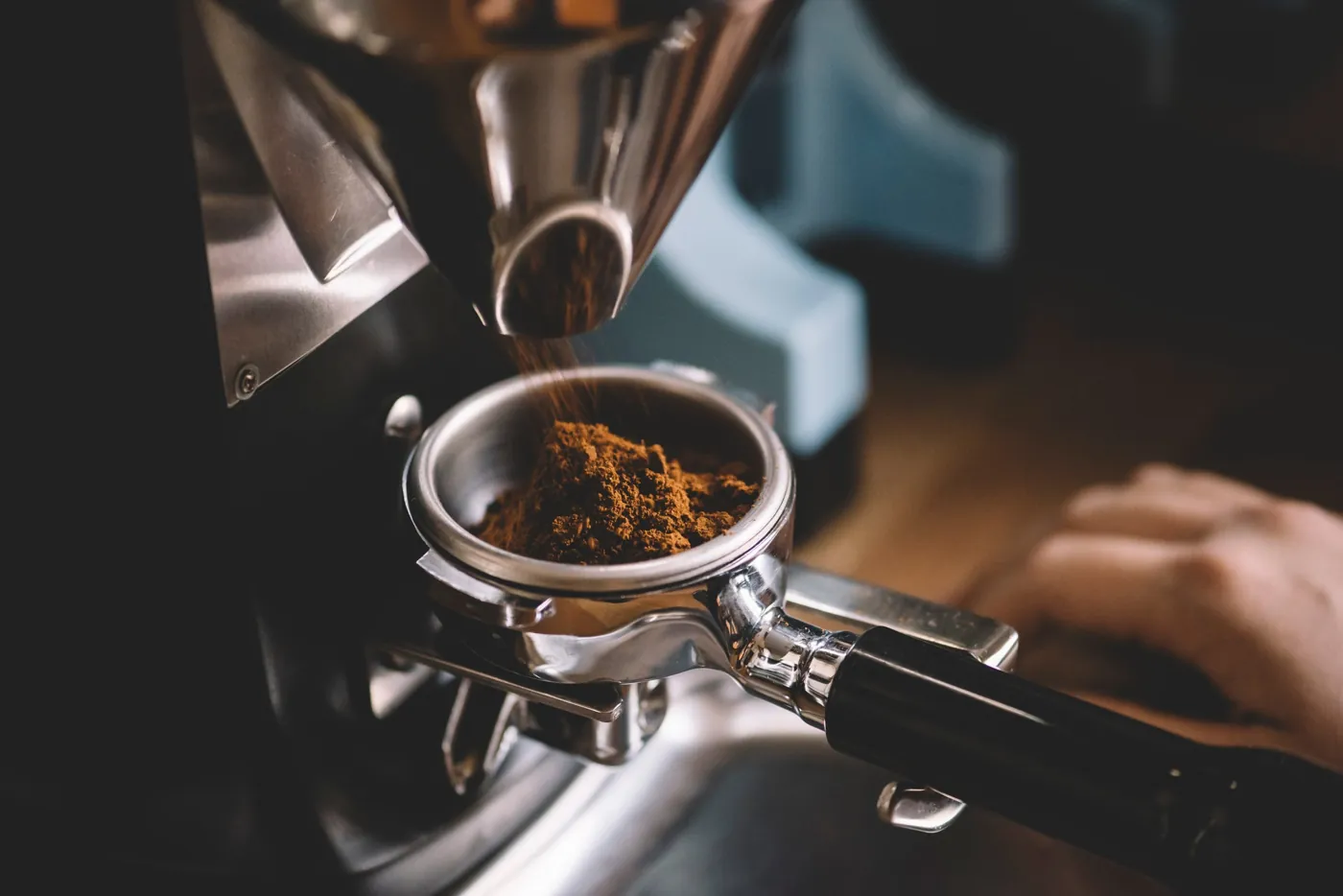
Arabica or robusta, burr or blade, fine or coarse, and how each one changes the cup.
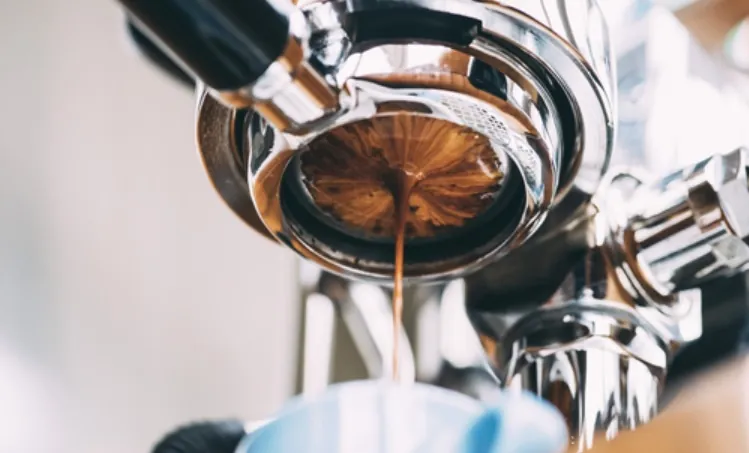
Heat-up, pressure and temperature checks, flushing the group heads and keeping your station clean.
Every cup is made with care, passion and a smile. Learn to serve the Happy Café way.
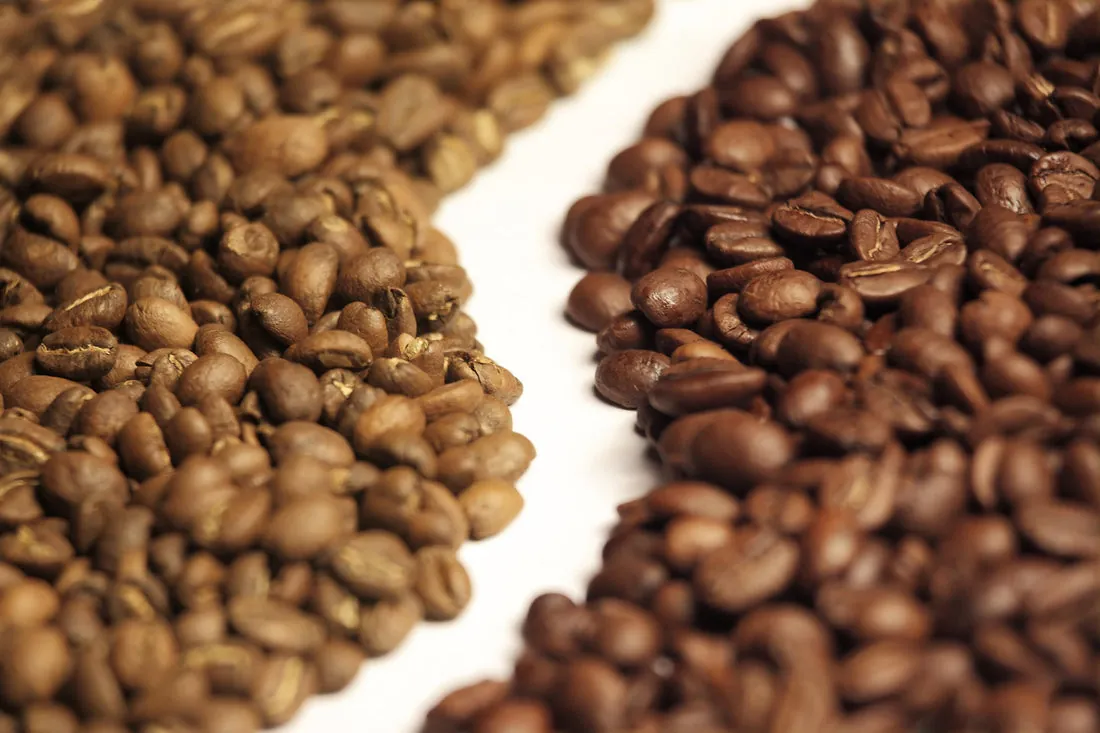

Coffee beans are the seeds of coffee cherries. After harvesting, processing, drying and roasting, they become the beans we brew with.
Everything within reach, so service stays fast and clean.
Spinning blades and inconsistent particle size. Less suitable for professional coffee.
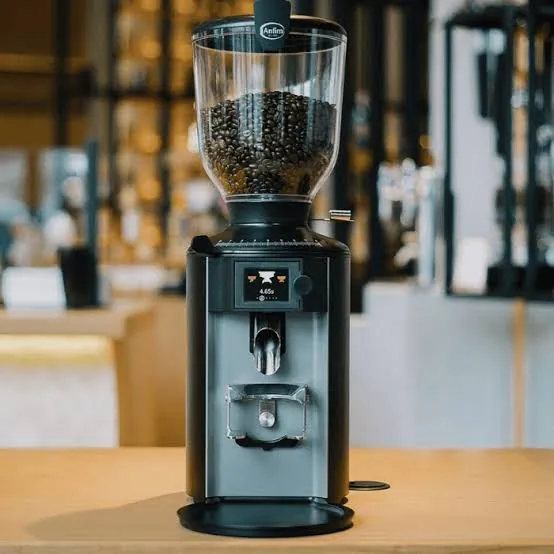
Two burrs crush beans evenly for a consistent grind. Preferred in cafés and for specialty coffee.
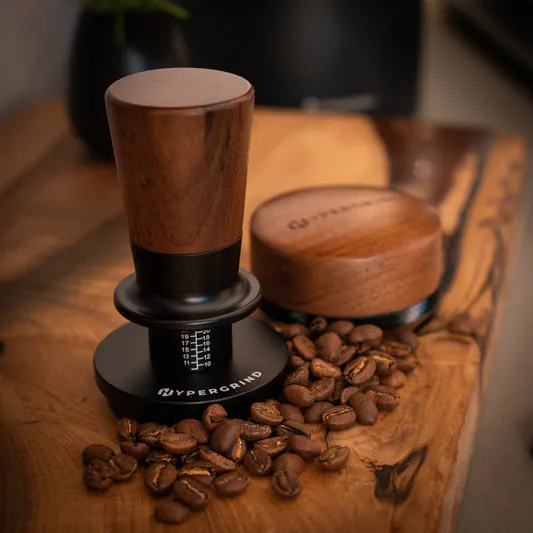
Distribution spreads the grounds evenly in the basket, so there are no high or low spots. Tamping presses them into a flat, firm bed, so the water can't find weak spots and channel through.
Brewing pulls flavour, aroma and body out of the ground coffee with hot water. The aim is a balanced cup.
Hot water forced at high pressure through finely ground coffee, finished with a golden-brown crema. A double espresso is called a doppio.
Drag the slider and watch how grind size changes the flow, the extraction and the taste.
Milk is textured to 60–65 °C. The foam on top is what makes each drink different.
Equal parts double espresso and steamed milk, with little to no foam.
~0 mm foamA double shot with silky milk and a very thin, glossy microfoam.
2–4 mm foamMore milk, less foam. Just enough microfoam for latte art.
5–10 mm foamOne shot, steamed milk and a thick layer of dense, silky foam.
15–20 mm foamSame two ingredients, different order. Water poured onto espresso gives a smoother, milder cup. Espresso poured onto water keeps the crema, with a bolder body and more aroma.